
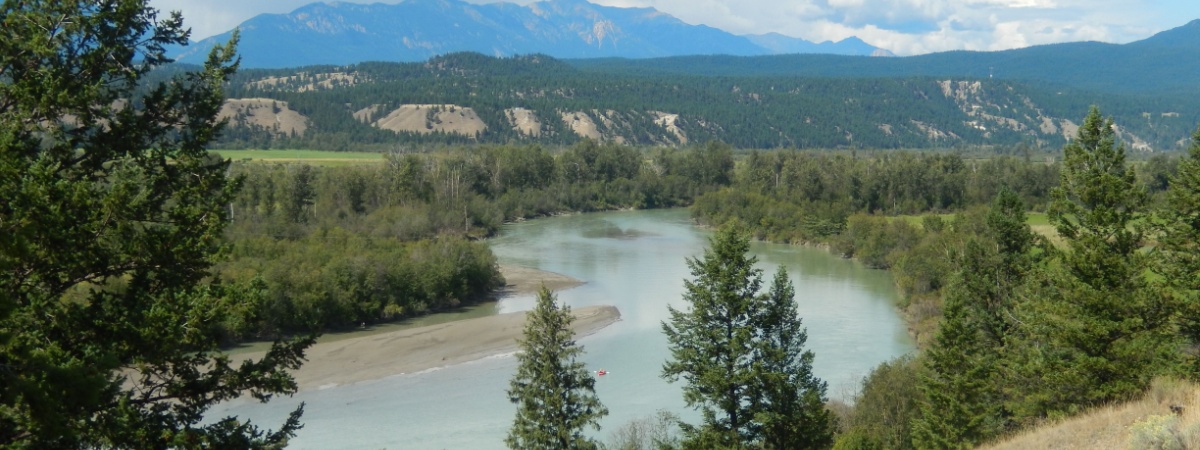
An appellate decision earlier this month addressing the cultural value of a fishery resource for purposes of a natural resources damages claim raises issues worth thinking about, not only with respect to NRD claims but also with respect to our own Environmental Rights Amendment. Confederated Tribes of the Colville Reservation v. Teck Cominco Metals, No. 24-5565 (9th Cir. Sept. 3, 2025), decided an interlocutory appeal in one portion of the long-running litigation brought by various individuals, certain tribes, and the state of Washington against the owners of a Canadian lead-zinc smelter. The smelter had air emissions and water discharges that resulted in injury to, among other resources, fish in the Upper Columbia River. The plaintiffs sought NRDs under the Comprehensive Environmental Response, Compensation and Liability Act (CERCLA or Superfund) for interim lost use of the fishery and sought to value that lost use specially because of the cultural importance of those fish in that river to the tribal members.
Read “The Cultural Value of Natural Resources” on The Legal Intelligencer website. (subscription required)
Click here to download the PDF.
*The opinions expressed in this column are those of the author and do not necessarily reflect the views of Greenberg Traurig or its clients.