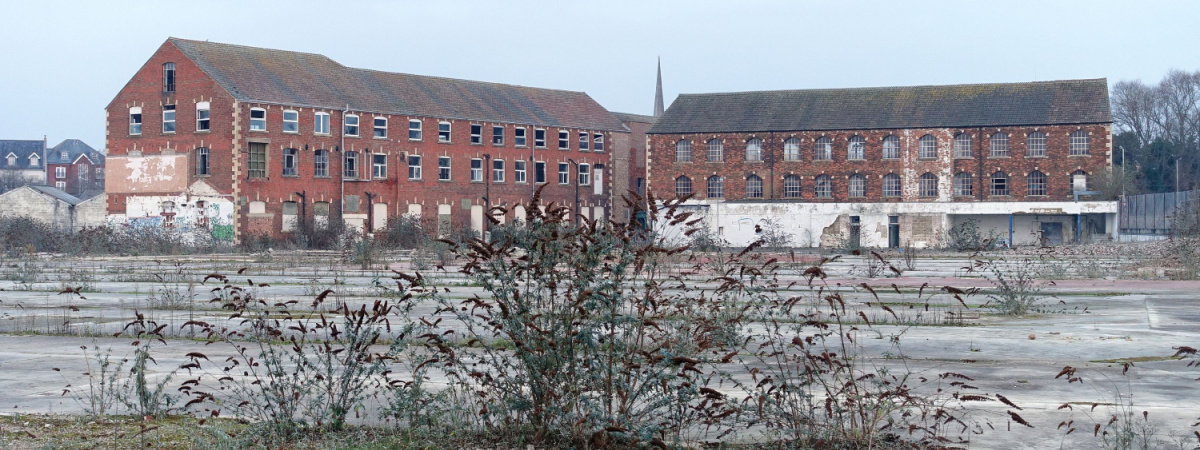
The Inflation Reduction Act, Pub. L. No. 117-169, 136 Stat. 1818 (Aug. 16, 2022), among other things creates tax incentives for clean energy development. The IRA enhances those tax credits for energy projects located on a “brownfield.” That enhancement will increase development pressure on “brownfield” sites. There may be some confusion over how “brown” a “brownfield” has to be to qualify, but just the label connotes an increased risk of residual liability to those associated with the site to clean up contamination. Therefore, these tax provisions create a demand for the conventional environmental practice tools that manage that risk.

Continue reading the full article, published by The Legal Intelligencer March 4, 2024. Reprinted with permission.

Photo of David Mandelbaum David Mandelbaum

David G. Mandelbaum represents clients facing problems under the environmental laws and serves as Co-Chair of the firm’s Environmental Practice. He regularly represents clients in lawsuits and has also helped clients achieve satisfactory outcomes through regulatory negotiation or private transactions. David teaches Superfund…

David G. Mandelbaum represents clients facing problems under the environmental laws and serves as Co-Chair of the firm’s Environmental Practice. He regularly represents clients in lawsuits and has also helped clients achieve satisfactory outcomes through regulatory negotiation or private transactions. David teaches Superfund, and Oil and Gas Law in rotation at the Temple Law School. He teaches the Superfund course at Suffolk (Boston) Law School as well. David is a Fellow of the American College of Environmental Lawyers.

Concentrations

  • Air, water and waste regulation
  • Superfund and contamination
  • Climate change
  • Oil and gas development
  • Water rights