
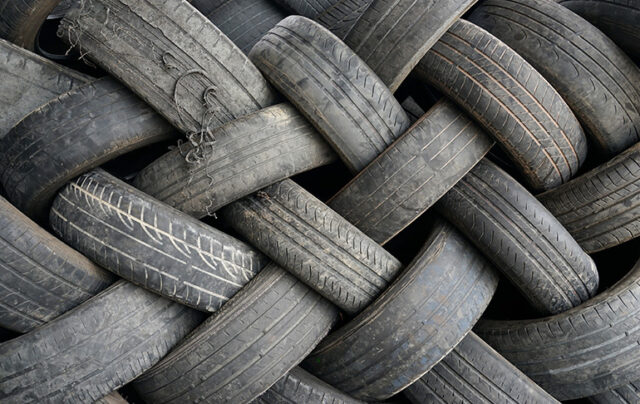
The tyre waste exemption regime is changing in the UK, and it may impact your existing environmental permit. For example, if you have an exemption on a permitted site you may need to vary your permit, or you may lose an exemption if you benefited from more than one. You will certainly need to keep accurate records in electronic format ready for inspection by the regulator. Once these proposals are in force, you may only have three months to deal with changes to your permit.
This review was provoked by a public campaign to stop the illegal transport of waste tyres to India. Earlier this year, a BBC File on 4 investigation exposed alleged illegal exports of tyres from the UK to India, which have the potential to cause health and environmental damage in India. The environmental campaign group, Fighting Dirty, threatened to bring a legal case against the Department of Environment Food Rural Affairs and Agriculture (DEFRA) and the Environment Agency (EA) for failing to stop this illegal export of tyres to India.
Around the same time, Northampton Crown Court ordered two men who ran a waste tyre site without a permit in Daventry to pay £313,325.
In July, DEFRA agreed to review how waste tyres are treated under the waste system and to tighten up how waste tyres are exported abroad.
The main proposals of this reform are:
- Removing certain exemptions, including the use of depolluted end-of-life vehicles for parts (U16), mechanically treating end-of-life tyres (T8), and recovery of scrap metal (T9), which means that these activities will in future require an environmental permit
- Reforming existing waste exemptions; for example, to limit the amount of waste exemptions that can be obtained for one site whether that site is permitted or not
- Creating greater requirements for exempted waste operators to record information regarding their exemption in electronic format and/or IT system identified by the EA, and keep that information ready for inspection
- Changing conditions for several waste exemptions, such as use of waste in construction (U1), manual treatments (T12), storage in containers (S1), storage in a secure place (S2) and burning vegetation at the place of production only (D7)
Draft regulations amending the exemptions to the Environmental Permitting Regulations 2016 have not yet been published. However, for most of the revoked exemptions, there will be a very short transition period (i.e. three months) during which operators need to seek an environmental permit.
All holders of tyre-related waste exemptions should, without delay, review their exemptions. In some instances, operators that hold exemptions today will need to apply for an environmental permit, where necessary, or can risk being charged with a criminal offence of operating a waste site illegally. Where exemption conditions have changed, there is a risk of being in breach of their exemption conditions and losing the exemption. In all cases, how information is recorded in relation to the exemption will change. For further details and assistance to deal with waste exemptions, please contact Begonia Filgueira.