Following extended negotiations, the directive was endorsed with a significantly narrower scope that would reduce the number of companies affected.

By Paul A. Davies, Michael D. Green, and James Bee

On 15 March 2024, EU Member States endorsed the Belgian Presidency’s political deal on the Corporate Sustainability Due Diligence Directive (CSDDD), despite Germany


The guidelines aim to transform China’s approach to ESG by introducing sustainability disclosure rules for large listed companies.

By Hui Xu, Paul A. Davies, Jean-Philippe Brisson, and Qingyi Pan

On February 8, 2024, under the auspices of the China Securities Regulatory Commission (CSRC), each of China’s three major stock markets — Shanghai Stock Exchange, Shenzhen Stock Exchange, and Beijing Stock Exchange— unveiled draft guidelines on sustainable development reports (SDRs) (collectively referred to as the Guidelines). The Guidelines require the largest Chinese public companies to publish high-quality and standardized SDRs, and are open for public comment until February 29, 2024.

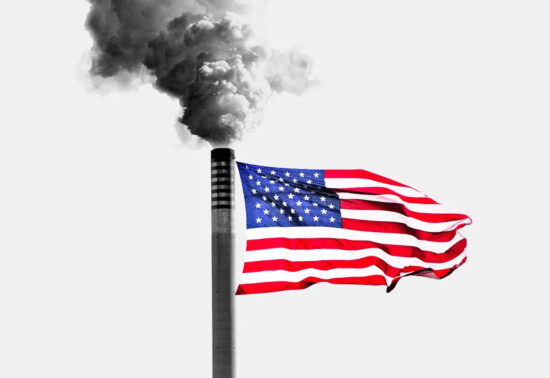
The U.S. Securities and Exchange Commission (SEC) has issued its long-awaited climate reporting requirements, making it mandatory for the largest publicly traded companies in the U.S. to annually disclose both greenhouse gas (GHG) emissions and their material climate risks, with some requirements kicking in as early as 2025. On March 6, the SEC voted 3-2 along party lines to pass a pared down version of its March 2022 proposal, giving regulated companies the final word on the much-anticipated rule.

On March 6, 2024, the Securities and Exchange Commission (SEC) adopted by a 3-2 vote a series of new and extensive disclosure rules that will require all registered companies, including FPIs, to include detailed climate-related information in their registration statements and periodic reports, and climate-related financial statement metrics in a note to their audited financial

After much anticipation, on March 6, 2024, the US Securities and Exchange Commission voted to adopt final rules that require reporting by public companies of climate change-related disclosure. While the final rules differ from the SEC’s controversial proposed rules in significant ways, the final rules are prescriptive, and require substantial new, additional disclosures.

The SEC

On February 21, 2024, the US Environmental Protection Agency (EPA) released its final rule adjusting the fees it collects under the Toxic Substances Control Act (TSCA). EPA is required under TSCA Section 26 to review and, if necessary, adjust the fees every three years to ensure that funds are sufficient to defray part of the costs of administering TSCA. While EPA has significantly increased TSCA fees for manufacturers, importers, and processors of chemicals, it has also finalized new, key exemptions from fee requirements. These new fees will be effective on April 22, 2024.

Pipelines: Pennsylvania Public Utility Commission Publishes Updated Safety Standards for Intrastate HVL Transport 
On February 22, 2024, the Pennsylvania Public Utility Commission (PUC) published a Final Form Rulemaking Order (FFRO) to establish state specific safety standards for the intrastate transport of highly volatile liquids (HVLs) by public utilities. The FFRO amends the standards currently outlined

UPDATE [4/5/2024]:  The Commission has determined to exercise its discretion to stay the Final Rules pending the completion of judicial review of the consolidated Eighth Circuit petitions.  Click here for more information.

The U.S. Securities and Exchange Commission (SEC or Commission) finalized its climate change disclosure rule on March 6, 2024, reducing the final disclosure obligations from the initial proposal after thousands of comments from stakeholders. The final rule requires comprehensive and standardized climate-related disclosures, including disclosure on governance, business strategy, targets and goals, GHG emissions, risk management, and the effects of climate change on financial metrics. This additional disclosure is intended to help investors assess material risks in climate-related reporting and facilitate comparisons across firms and over time with respect to climate-related metrics. 

For issuers subject to the new disclosure requirements, compliance with the final rule will present practical challenges, such as coordination among internal and external subject matter experts in the legal, accounting, science, and environmental, social, and governance (ESG) fields; data tracking, collection, and verification; reconciliation of data reported to satisfy mandatory disclosure requirements and voluntary reporting commitments, like those covered by sustainability reports; and oversight to ensure disclosures satisfy both the new SEC rules and the increasing non-regulatory scrutiny from investors and watchdogs, like International Shareholder Services (ISS). These challenges will necessitate significant additional costs to prepare compliant disclosures.