Carbon dioxide removal (CDR), or the range of technologies and processes for removing carbon dioxide from the atmosphere and oceans, promises to be a major part of US and global climate strategy in the coming decades.  Recent governmental actions have created significant financial incentives for the rapidly growing CDR sector.
Given the heightened importance of

By far the largest focus in recent years in terms of ‘responsible investment’ has been on the ‘Environment’ limb of ESG. The UN Principles of Responsible Investment (“PRI“) – an international organisation working to encourage the integration of ESG factors into investment decision making – is now seeking to change this with the launch of its ‘Advance‘ initiative, which is a “collaborative stewardship initiative where institutional investors work together to take action on human rights and social issues”. This forms part of a renewed effort to reinvigorate the ‘Social’ and ‘Governance’ limbs to ESG and bring social initiatives to the forefront of ‘responsible investing’.

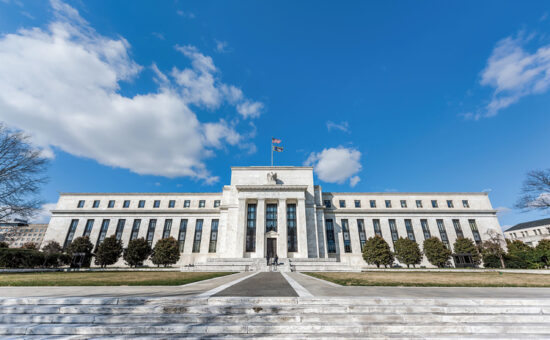
In January 2023, the Board of Governors of the Federal Reserve System released a report that reviews the climate action plans of global systemically important banks (“G-SIBs”) and summarizes the progress they are making toward achieving them (“Climate Action Report”).[1] As discussed below, the Climate Action Report can be an useful tool for banks that are developing sustainable financing products and climate risk management processes because it identifies key peer behaviors and widely used resources.

As all CEQA practitioners know, a prospective petitioner in a writ proceeding challenging a CEQA determination must first exhaust available administrative remedies as a prerequisite to filing suit.  But which remedies are subject to that requirement?  That is the question presented in the recent case of American Chemistry Council v. Dept. of Toxic Substances Control (5th Dist. 2022) 86 Cal.App.5th 146, originally filed on November 18, 2022, and certified for publication on December 12, 2022.

The American Chemistry Council case deals with the interplay of CEQA with another statutory scheme, the so-called “Green Chemistry” law (Health & Safety Code, § 25251 et seq.) and its implementing Safer Consumer Products regulations (Cal. Code Regs., tit. 22, § 69501 et seq.), in the context of exhaustion of administrative remedies.  The case illustrates the sometimes perilous position of a CEQA practitioner seeking to satisfy the exhaustion requirement while avoiding the running of the very short statutory limitations period within which a CEQA action must be commenced.