
On April 10, 2020, US EPA issued updated interim guidance to regional offices for dealing with the “challenges posed by the COVID-19 situation.” The guidance applies to all US EPA field activities, including cleanup under the Superfund program, RCRA corrective action, TSCA PCB cleanup provisions, the Oil Pollution Act, and the Underground Storage Tank program. The interim guidance supersedes US EPA’s March 19, 2020 guidance. Critically too, US EPA’s new interim guidance assumes ongoing operations and field work unless certain COVID-19-related circumstances exist. This guidance thus differs from initial guidance from US EPA, which suggested that US EPA might stop enforcement and remediation efforts during the COVID-19 situation more broadly.
How COVID-19 is Affecting Environmental Permitting
As government agencies at every level continue to implement programs to combat the spread of the Coronavirus, many environmental practitioners are struggling to make sense of what this means for their environmental permitting timelines. Below, we have compiled an overview of the main federal, state, and local changes that are likely to impact environmental permitting

CSG Environmental Attorney, David J. Mairo, Featured in Envision Environmental’s “The Business of Environment” Podcast
David J. Mairo was featured on Envision Environmental, Inc.’s The Business of Environment podcast discussing how to strike an appropriate balance between the technical and legal sides of environmental issues such as site remediation, land use, real estate transactions and regulatory compliance to achieve results clients, regulators and other stakeholders can agree on. Throughout the
FERC Orders, Notices, and Other Guidance Regarding the Novel Coronavirus

Last week the Federal Energy Regulatory Commission (“FERC”) continued to issue orders, notices, and guidance related to the current novel coronavirus pandemic, the health and safety of FERC and energy industry employees, and the continued reliability of the U.S. energy sector. A summary of FERC’s relevant actions are provided below, including information regarding FERC’s operating status, extensions for filing deadlines and efforts to ease regulatory burdens during this crisis.
Updated: Louisiana Court Closures and Updates in Accordance with COVID-19

The coronavirus continues to adversely impact so many, and the court systems across the country are adapting in kind. On April 2, 2020, Louisiana’s Governor in Proclamation JBE 2020-41 suspended all legal deadlines at least until April 30, 2020. Further, the Louisiana Supreme Court has issued orders over the last few weeks to help the
COVID-19 Alert: Judicial Council Issues Sweeping Emergency Rules; Local Agencies Issue Regional Changes
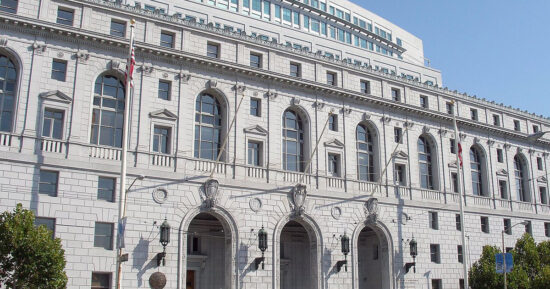
In response to the COVID-19 pandemic, the state and several local jurisdictions have issued orders/rules in the last few weeks that affect not only the timing of processing land use and planning entitlements, but also the filing of California Environmental Quality Act (CEQA) and other claims challenging land use projects and approvals in California courts.
April 7, 2020 Update to CARES Act and Paycheck Protection Program

In general, borrowers
April 6, 2020 Update to CARES Act and Paycheck Protection Program

US EPA Offers Advice to NPDES Permittees on Documenting COVID-Related Noncompliance While Environmental Groups Seek More Stringent Reporting Requirements
On March 26, 2020, US EPA issued a temporary policy regarding enforcement of routine monitoring, recordkeeping, and reporting violations caused by the COVID-19 pandemic. As discussed in an earlier blog post, US EPA’s temporary policy sets out the Agency’s overall policy to exercise of enforcement discretion during the COVID-19 pandemic and generally not seek penalties for noncompliance with monitoring and reporting obligations if such noncompliance was caused by the pandemic.
On March 31, 2020, US EPA provided further direction to US EPA Regional Offices on how to implement the new temporary policy with respect to NPDES reporting requirements (NPDES advisory), including electronic reporting tracked in US EPA’s Integrated Compliance Information System for the NPDES program (ICIS-NPDES).
Supreme Court of Ohio tolls civil deadlines during COVID-19 emergency period
In response to the COVID-19 pandemic, Ohio’s legislative, executive, and judicial branches are working together to clarify requirements for civil litigants and alleviate mounting pressure on Ohio’s courts. My colleague Sean Klammer explains in this Porter Wright Law Alert.