
 We are pleased to share our latest edition of “frESH Law Horizons: Key Developments in UK & EU Environment, Safety and Health Law, Procedure and Policy”. In the December edition, we summarise 29 developments in the environmental, safety and health sector. Top stories this month include:
- Three companies, all operating on the same site found liable
 Effective October 1, 2018, the US Occupational Safety and Health Administration (OSHA) updated its
 When President Trump signed the omnibus spending bill on March 23, 2018, he also enacted the
 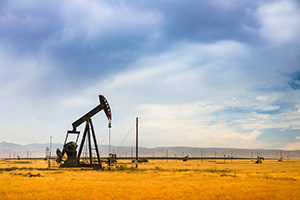 The State of Colorado is a leader in regulating oil and gas development. But a ballot initiative proposes a more dramatic regulatory step: restricting oil and gas development all together. In the upcoming election, Colorado voters will decide whether to enact
  New water supplies in the western United States are likely to come from a panoply of non-traditional sources, including storm water capture, waste water recycling, desalination, infrastructure efficiency improvements, and other conservation measures. One potential new water source for municipalities is contaminated groundwater requiring environmental remediation, that, but for its low quality, could be used
 In 2014 California enacted the Sustainable Groundwater Management Act, which provides the framework for local water management agencies to develop and implement groundwater sustainability plans in order to sustainably manage the state’s groundwater within 20 years. This legislation was California’s first ever attempt to sustainably manage groundwater resources, a long overdue effort given that the state
 We are pleased to share our latest edition of “frESH Law Horizons: Key Developments in UK & EU Environment, Safety and Health Law, Procedure and Policy”. In the August edition, we look at a host of relevant new developments in the environmental, safety and health sector. Top stories this month include: