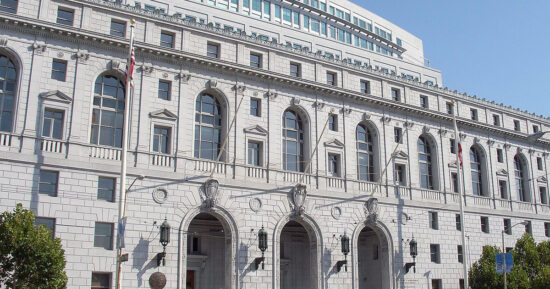
On May 29, 2020, the Judicial Council of California issued a Circulating Order to amend its earlier-issued Emergency Rule 9 in order to shorten the time for tolling statutes of limitations for all civil causes and provide a fixed date, including for causes of action arising under the California Environmental Quality Act (CEQA) and State




 On July 17, 2017 the California legislature approved an extension of the state’s greenhouse gas cap-and-trade program from 2020 to 2030. Cap-and-trade is a key program in the state’s efforts to meets its 2030 greenhouse gas reduction goals of 40% below 1990 levels covering emissions from industrial facilities and electricity and natural gas suppliers.
 In recent weeks, California appellate courts issued two decisions regarding California Air Resources Board (CARB) programs implemented under AB32, the Global Warming Solutions Act, with mixed results. The first decision upheld the legality of a key element of CARB’s cap-and-trade program, the auction of emission credits. In that case, the Third Appellate District rejected an