
 We are pleased to share with you the latest edition of “frESH Law Horizons – Key Developments in UK & EU Environment, Safety and Health Law, Procedure and Policy”. In our September edition, we summarise 40 developments in the environmental, safety and health sector.
Some of the top stories this month include:
Latest from frESH - Page 14
Prop 65 Victory For Chemical Industry In Monsanto Case Has Been Appealed
 On June 22, Judge William B. Shubb of the US District Court for the Eastern District of California granted Monsanto’s motion for summary judgment and imposed a permanent injunction on the enforcement of Proposition 65 for glyphosate (the active ingredient in Roundup) in the closely followed case National Association of Wheat Growers v. Becerra. The
Revised UK REACH Roadmap: Are You Ready For the New UK Chemical Regulation?
 At the end of the transitional period, on 31 December 2020, the chemical regulation EU REACH will cease to apply in the UK. This will automatically invalidate EU REACH registrations and authorisations held by UK companies. A stand-alone UK chemical regulation UK REACH will replace EU REACH in the UK. UK-based EU REACH registrants, therefore, need
Movement on US House and Senate Energy Packages
 On Monday, the White House released its statement of administration policy (SAP) threatening to veto the proposed clean energy package from the House of Representatives (H.R. 4447). Trump Administration policy advisors argued that the legislation would reinstate “big government policies and programs” and “undermine the Administration’s regulatory agenda.” Specifically, the SAP criticizes workforce
US House of Representatives to Consider Clean Energy Package
 This week, the House of Representatives is set to consider H.R. 447, the House Clean Energy Package. Over 150 amendments were offered on the package and today, the House Rules Committee will meet today decide which of those amendments to consider on the House floor. Depending on the outcome of the House Rules Committee
Supporters of US Plastic Pollution Reduction Bill Press On Despite Challenging Times

The coronavirus pandemic has resulted in increased use of disposable plastics and plastic waste reduction efforts have experienced setbacks as the need for these products grows. Nonetheless,
proponents of a federal bill aimed at reducing plastic waste, the “Break Free From Plastic Pollution Act,” (the Act) continue to advocate for its passage. Recently,
After Almost Four Decades, White House Issues New NEPA Regulations–Lawsuits Likely
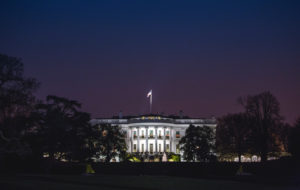 The Trump administration recently finalized updates to regulations for environmental impact review of large projects under the National Environmental Policy Act (NEPA). NEPA was originally enacted 50 years ago to reorient federal agencies to consider the environmental impact of projects. It generally requires federal agencies to consider environmental effects of proposed projects before they are
Ohio Adopts CERCLA Bona Fide Prospective Purchaser Defense
On June 16, Ohio Governor DeWine signed into law H.B. 168, which creates a “bona fide prospective purchaser” (BFPP) affirmative defense to liability for performing investigative or remedial activities that arise out of release or threatened release of hazardous substances. Ohio follows a number of other states that have similarly enacted a BFPP defense
Heavy-Duty Truck and Engine Regulation by US EPA and CARB: Agency Rulemaking in the COVID-19 Era

The US Environmental Protection Agency (US EPA) and the California Air Resources Board (CARB) are proceeding with development of proposed rules for on-road heavy-duty vehicle and engine regulation. As previously covered in our blog, US EPA and DOT already issued a final rule in early April rolling back greenhouse gas emission (GHG) standards in
Is the UK Heading Towards a Duty on Businesses to Prevent Breaches of Human Rights?

In April 2017, the UK Joint Committee on Human Rights suggested that it might be appropriate for a “failure to prevent” mechanism, such as the one found in section 7 of the Bribery Act 2010, to be applied to business and human rights. Earlier this year, the British Institute of International and Comparative Law