
 On June 9, 2016, Governor John Kasich signed House Bill (HB) 512, a multifaceted law that the Governor has said “puts Ohio in front” and makes Ohio “the leader in the country” in dealing with the problem of lead contamination in drinking water. After the crisis in Flint, Michigan sparked a national inquiry and events in
Latest from frESH - Page 22
Implications Of The Brexit Vote On UK Environmental Law And Policy
Following a referendum which has polarised the nation, the people of the UK have voted to leave the European Union. Stepping away from the political rhetoric and posturing, it is worth reflecting on some of the more practical issues which will arise from this decision, such as how it could affect our environmental law landscape.
US EPA’s Great Lakes Restoration Initiative Grants for Voluntary Action a Striking Contrast to the Chesapeake Bay TMDL
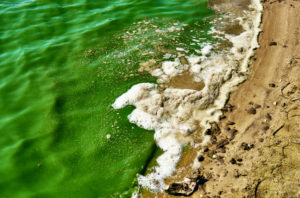 US EPA announced recently that it had awarded twenty-eight Great Lakes Restoration Initiative (GLRI) grants totaling more than $12.5 million. Portions of this federal funding will provide financial assistance to owners of farmland who voluntarily act to reduce nutrient runoff from their land. The provision of federal funding to address issues in the Great Lakes
US EPA Finalizes Oil and Gas New Source Performance Standards With Potentially Broader New Source Review Impact
With US EPA’s regulation of greenhouse gas emissions from fossil fuel–fired electric generation still hotly contested in the D.C. Circuit, US EPA is proceeding with the next step in its implementation of the White House’s Climate Action Plan by moving forward with additional greenhouse gas regulations, this time of the nation’s oil and gas
Citing Climate Change, US Regulations Expand Protection for the Critical Habitats of ESA-Listed Species
On March 14, 2016, two new federal rules went into effect that could change the way in which the Endangered Species Act (ESA) is implemented throughout the United States. The U.S. Fish & Wildlife Service (FWS) and the National Marine Fisheries Service (NMFS) finalized these rules to update the regulatory provisions on which the agencies
A Short History of Clean Power Plan Litigation as of March 2016
The Clean Power Plan and its surrounding litigation has quickly become one of the hottest topics both inside and outside the legal world. News that the U.S. Supreme Court had granted a stay of the Clean Power Plan on February 9, 2016 spread like wildfire, but many recent followers are unaware of just how long
UK Sentencing Council: Further Consultation On New Guidelines for Guilty Plea Credit
In the wake of the UK’s more prescriptive approach towards sentencing adopted in the recent Definitive Sentencing Guidelines which came into force on 1 February 2016, the UK Sentencing Council has now turned its focus to the guidelines regarding the credit available for the entering of a guilty plea in criminal cases. The Sentencing Council
Despite Best Efforts, US EPA Faces 2016 Deadline for New Financial Assurance Rules
US EPA has agreed to promulgate financial assurance rules for hard rock mining companies by December 1, 2017. Specifically, the agencies requirements will apply to facilities which extract or process metals (e.g., copper, gold, iron, lead, magnesium, molybdenum, silver, uranium, and zinc). The financial assurance requirements will obligate companies performing environmental cleanup to provide a
US EPA Violated Federal Law by Using Taxpayer Dollars to Fund “Covert Propaganda” and Illegal Grassroots Lobbying
A federal investigation has revealed that US EPA violated federal law by utilizing “covert propaganda” and illegal grassroots lobbying to encourage voters to support its Waters of the United States Rule (the “Clean Water Rule“). US EPA’s legal violations in the context of the Clean Water Rule could lead to additional trouble for the agency.
Obama Administration Encourages Private Investment in Natural Resources Mitigation
 The Obama administration recently released a presidential memorandum (Memorandum)—a tool the executive branch uses to direct the actions of government officials and federal agencies—designed to encourage private and non-profit sector investment in natural resources restoration and public-private partnerships. The Memorandum aims to instill a policy of first avoiding and then minimizing adverse effects to natural