Louisiana Law Blog

Insight and Information on Louisiana Law, Litigation, and Legal Culture

Latest from Louisiana Law Blog - Page 2

Workers’ compensation is a critical safety net for both employees and businesses. In Louisiana, navigating a claim for noise-induced hearing loss can be a complex process. For employers, understanding the legal landscape is essential to ensure compliance, reducing exposure, raising appropriate defenses, and avoid penalties. Below is a general guide to handling and defending workers’ compensation

Some states, such as Louisiana, have restrictive statutes against contracting for defense and indemnity provisions. Under federal maritime law, however, these defense and indemnity provisions may be permitted. This distinction creates frequent tension in offshore injury lawsuits between the application of the bordering state law (which may prohibit defense and indemnity provisions) and the application

In offshore operations, whether a contract is deemed “maritime” has major consequences. The classification determines the application of either federal maritime law or state law, along with its oilfield or construction anti-indemnity statutes for states such as Texas or Louisiana. The difference often decides whether the defense, indemnity, and insurance-related obligations in the contract survive

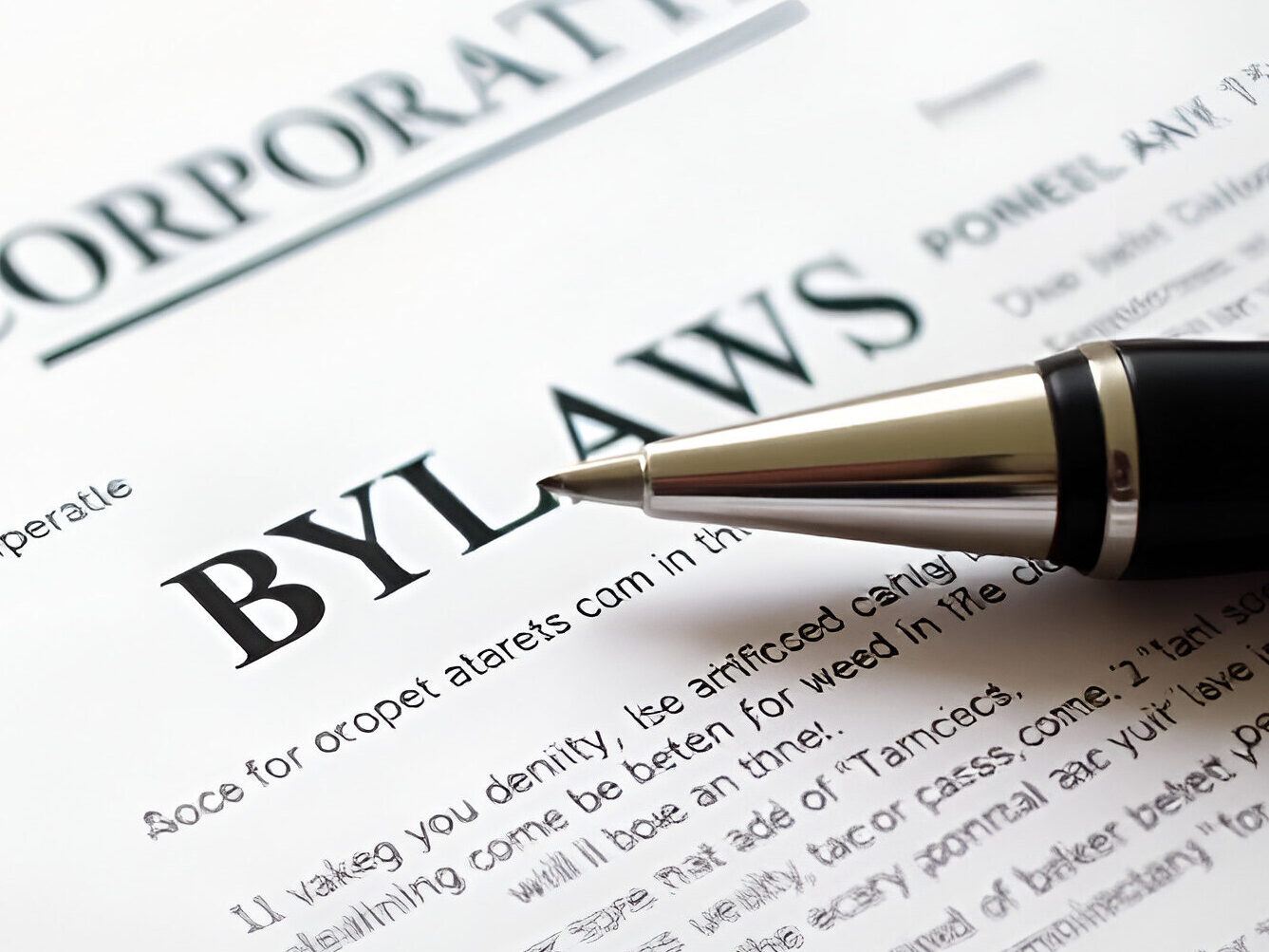
Since 1968, Louisiana law has recognized nonprofit corporations as a distinct business entity, providing organizations with a structured legal framework to pursue charitable, religious, educational, and other nonprofit purposes while benefiting from important legal and financial advantages. In 2015, Louisiana enacted the current Louisiana Nonprofit Corporation Act (the “Louisiana Nonprofit Act”),[1] which modernized governance,

Within the last year, the legal industry has witnessed a surge in AI-based programs designed to improve workflow, legal research, and legal drafting, such as Westlaw Co-counsel. AI technology, although new, offers significant benefits for helping attorneys enhance their workflow. However, it is not a substitute for an attorney’s legal knowledge, skill, and independent judgment.

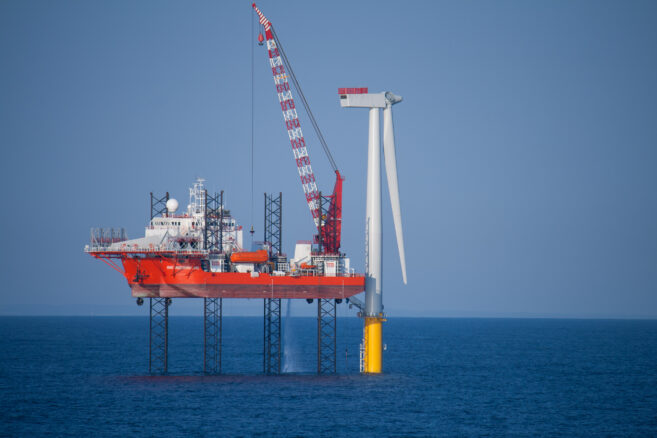
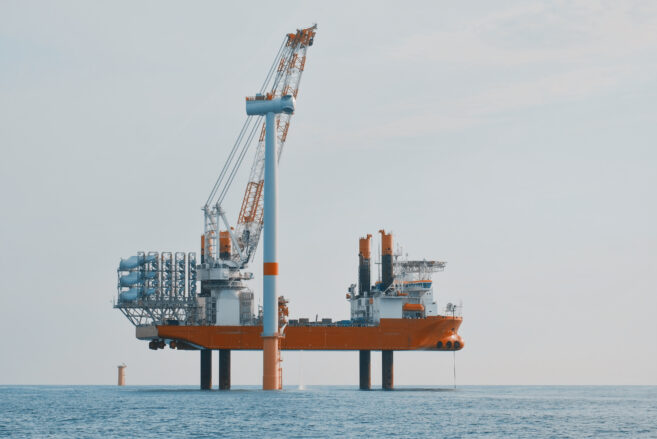
In February of 2020, Great Lakes Dredge and Dock Company wrote to the U.S. Customs and Border Protection (“CBP”) requesting guidance on whether the Jones Act would work to protect their interests with regard to ongoing offshore wind construction efforts being undertaken off the coast of Martha’s Vineyard. Specifically, they wanted to know whether the

On July 16, 2025, the U.S. Coast Guard’s final rule to update cybersecurity requirements for U.S.-flagged vessels, Outer Continental Shelf (OCS) facilities, and facilities subject Maritime Transportation Security Act of 2022 (MTSA) begins to take effect. The final rule is codified at 33 C.F.R. § 101.600 et seq (“Rule”). In addition to other security regulations