
Better late than never, but on January 4, EPA published its Fall 2022 Unified Regulatory Agenda. The Reg Agenda includes a few new rulemaking initiatives and a number of schedule changes that were largely expected since EPA has been running a few months behind on most of their major rulemakings (e.g., WOTUS, 401
Updated Timeline for ESG-Related Actions From SEC Under RegFlex Agenda
By Paul Davies, Sarah Fortt, Betty M. Huber, Karmpreet Grewal, and Austin Pierce
On January 4, 2023, the Office of Information and Regulatory Affairs released the Fall 2022 Regulatory Flexibility Agenda. The agenda includes several updates to the Securities and Exchange Commission’s plans for various ESG-related actions.
A summary of primary
Steam Electric ELG Surprise in EPA’s Fall Regulatory Agenda
Better late than never, but on January 4, EPA published its Fall 2022 Unified Regulatory Agenda. The Reg Agenda includes a few new rulemaking initiatives and a number of schedule changes that were largely expected since EPA has been running a few months behind on most of their major rulemakings (e.g., WOTUS, 401 Water Quality Certification, Steam Electric ELG, Lead and Copper Rule Improvements).
First District Affirms Denial of Anti-SLAPP Motion in a Malicious Prosecution Action Filed Against CEQA Petitioner’s Attorney

In Jenkins et al. v. Brandt-Hawley et al. (2022) 86 Cal.App.5th 1357, the First District Court of Appeal found that CEQA suits can be subject to malicious prosecution actions. The Court of Appeal upheld an order denying an anti-SLAPP motion, allowing a malicious prosecution action to proceed against an attorney who litigated an unsuccessful
From Snowmageddon to Snowpocalypse: OSHA Highlights Potential Winter Weather Hazards

By A. Scott Hecker, Adam R. Young, Patrick D. Joyce, James L. Curtis, and Craig B. Simonsen
Seyfarth Synopsis: On its website, OSHA is highlighting the hazards of working in winter weather and providing resources for employers to help protect their workers.
Employers must remember that weather-based hazards exist not only
ESG Insights: 10 Things That Should Be Top of Mind in 2023
Navigating a global patchwork of ESG regulation and enforcement while preparing for greenwashing claims and other ESG litigation will likely be among the main concerns for companies in 2023.
By Paul Davies, Sarah Fortt, and Betty M. Huber
Both anticipated and less expected changes occurred across the ESG landscape in 2022. Anticipated changes included regulatory developments across the globe, including in the US, the UK, and the EU. Less expected changes included global and regional political shifts, such as the fallout from the Russian invasion of Ukraine, the continued evolution of governmental policies following the COVID-19 pandemic (such as responses to labor market challenges and reshoring efforts), and growing political tensions throughout the world.
In 2023, investors, customers, regulators, and other key stakeholders are expected to continue to demand corporate responsiveness on ESG issues. However, how these stakeholders expect organizations to respond to ESG issues is becoming increasingly more nuanced and complex. In this complicated macroeconomic, political, and legal context, this fourth annual installment of Latham’s ESG Top 10 List highlights the ESG developments and trends that are likely to emerge in 2023.
U.S. DOE Announces $3.5 Billion to Accelerate Direct Air Capture Commercialization
The U.S. Department of Energy (DOE) recently announced a $3.5 billion funding opportunity to create regional Direct Air Capture (DAC) Hubs. The DAC Hubs program is one of four new programs announced by the Biden-Harris administration aimed at building “a commercially viable, just, and responsible carbon dioxide removal industry,” in the U.S. with funds from
EPA’s FY2022 Enforcement Results: Key Focus on Environmental Justice and Climate Change
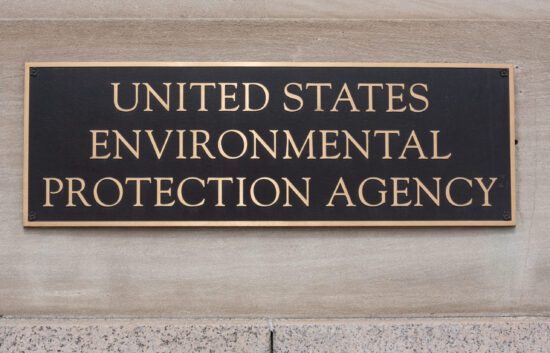
The US Environmental Protection Agency (“EPA”) announced its enforcement and compliance results for Fiscal Year 2022 (“FY2022”) in late December. In the Annual Results report prepared by EPA’s Office of Enforcement and Compliance Assurance (“OECA”), OECA highlights EPA’s efforts to target the most serious violations of the country’s core environmental statutes and civil rights laws—effectuating the mission and principles set forth in its FY2022 to 2026 EPA Strategic Plan. According to OECA, EPA’s enforcement and compliance program used “a range of tools and best practices” to specifically target water, air, land and chemical violations that impacted communities the most. In so doing, EPA reportedly reduced, treated or eliminated approximately 95 million pounds of pollutants and compelled violators to pay over $300 million in fines, restitution or penalties. The enforcement and compliance trends highlighted below continue an overall decline seen in the last decade, yet provide evidence that EPA is succeeding in its enforcement and compliance efforts in areas that are the biggest priority for the Biden administration.
2022 in Review – California Climate Change Policy and Legislation

With 2022 having just come to an end, we wanted to take the opportunity to spotlight some of the most impactful climate change legislative and regulatory actions taken in California.
New Plastics Bill Would Require US EPA Action Under TSCA
As interest in regulating the production and use of plastics continues to grow, users of chemicals related to plastics should take note of the newly proposed “Protecting Communities from Plastics Act,” introduced in Congress on December 1, 2022 (the Act). The Act is intended to identify potential health effects of certain plastics, limit their production, and set nationwide reduction targets. It would also require EPA to review and potentially to regulate under TSCA the component chemicals in many plastics.