
In the summer of 2004, during Hurricane Frances, an industrial facility released approximately 65 million gallons of process water into Tampa Bay. A group of commercial fishermen promptly filed a putative class action. The class representatives alleged that the release damaged the natural habitat and adversely affected commercial fishing in and around Tampa Bay. At
Obscure Indeed: Missing Underground Storage Tanks Save Plaintiff’s Suit from Dismissal
The New Jersey Appellate Division recently ruled that a landowner’s lawsuit against a former attorney and environmental consultant could proceed to the discovery phase. In CCM Properties, LLC, et al. v. Pieper, et al, the plaintiff engaged an environmental consultant to perform a ground penetrating radar survey of a property to determine whether any underground
Fourth District Upholds San Diego’s Addendum for Balboa Park Revitalization Project, Validates the CEQA Addendum Process

On October 24, 2018, the Fourth Appellate District upheld the trial court’s decision in Save Our Heritage Organization v. City of San Diego (D073064), finding that the use of an addendum as outlined in section 15164 of the California Environmental Quality Act (“CEQA”) Guideline for approval of project modifications is valid under CEQA and does
Colorado Proposition 112: If Colorado Bans New Oil and Gas Development, What Next?
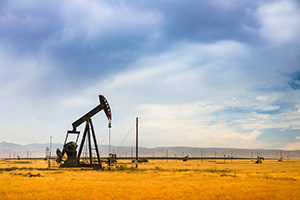 The State of Colorado is a leader in regulating oil and gas development. But a ballot initiative proposes a more dramatic regulatory step: restricting oil and gas development all together. In the upcoming election, Colorado voters will decide whether to enact Proposition 112, a law requiring a 2,500-foot setback between any new oil and gas developments and any
IoT Update: DOT Publishes Policy Statement on Automated Vehicles
On October 4, the U.S. Department of Transportation published Preparing for the Future of Transportation: Automated Vehicles 3.0 (“AV 3.0”), a policy vision statement that embraces automation as a critical tool to improve motor vehicle safety. AV 3.0 identifies several avenues to remove regulatory barriers to Autonomous Driving Systems (“ADS”), including potential changes to rules
Recent Opinions Hold Differing Views on Point Source Discharges Into Waters
Kathleen Kline authored an article in The Legal Intelligencer titled “Recent Opinions Hold Differing Views on Point Source Discharges Into Waters.”
The article explores two recent opinions from the U.S. Court of Appeals for the Sixth Circuit regarding the growing cacophony over Clean Water Act jurisdiction, both holding that the act does not regulate pollution that reaches surface
Groundwater Remediation as Potential Tool to Combat Water Scarcity: Navigating Potential Conflicts Between CERCLA Remediation Considerations and Water Policy Issues
 New water supplies in the western United States are likely to come from a panoply of non-traditional sources, including storm water capture, waste water recycling, desalination, infrastructure efficiency improvements, and other conservation measures. One potential new water source for municipalities is contaminated groundwater requiring environmental remediation, that, but for its low quality, could be used
Proposed Affordable Clean Energy Rule: Navigating US EPA’s Clean Power Plan Replacement
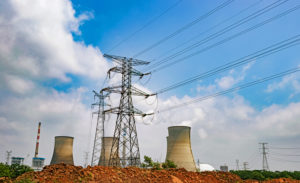
On August 31, 2018, the US Environmental Protection Agency (US EPA) published its proposed rule providing a replacement to the Clean Power Plan (CPP). The proposed rule, named the Affordable Clean Energy (ACE) rule, outlines revised emissions guidelines and the process for states to submit plans for the reduction of greenhouse gas (GHG) emissions from affected
California Turning Away From Traditional Imported Water Sources and Toward More Resilient Localized Water Supplies
 In 2014 California enacted the Sustainable Groundwater Management Act, which provides the framework for local water management agencies to develop and implement groundwater sustainability plans in order to sustainably manage the state’s groundwater within 20 years. This legislation was California’s first ever attempt to sustainably manage groundwater resources, a long overdue effort given that the state
Expanding Incentives for Brownfield Redevelopment: What Has Changed?
Giuliano Apadula co-authored an article in the The Legal Intelligencer titled “Expanding Incentives for Brownfield Redevelopment: What Has Changed?” The article explores the Brownfields Utilization, Investment and Local Development Act.
To read the full article, click here.