By Adam R. YoungDaniel R. BirnbaumJames L. Curtis, and Craig B. Simonsen

Seyfarth Synopsis: The continuing proliferation of accidents involving carbon monoxide have drawn the attention of OSHA and NIOSH, which have issued regulations and recent press releases on the issue.

Approximately 400 Americans die each year from carbon monoxide

This past year represents a real turning point in the transition to electric vehicles, demonstrated by new major incentives and regulatory activities at both federal and state government levels and several notable accomplishments in the private sector. First, the U.S. government approved EV Infrastructure Deployment Plans for all 50 states, the District of Columbia and

On December 22, 2022, EPA’s Integrated Risk Information System (IRIS) Program released its ORD Staff Handbook for Developing IRIS Assessments (IRIS Handbook). EPA began working on the approaches in the IRIS Handbook after a 2011 National Research Council report recommended several improvements to the overall IRIS assessment process. In 2020, EPA released a draft IRIS Handbook for public comment and commissioned a peer review by the National Research Council.

Established in 1985 to ensure Agency-wide consistent toxicity evaluations, IRIS assessments provide chemical toxicity values for noncancer and cancer human health effects resulting from chronic exposure to chemicals. These values are often utilized in EPA regulations under the Clean Air Act (CAA), the Safe Drinking Water Act (SDWA), and the Comprehensive Environmental Response, Compensation, and Liability Act (CERCLA). While chemical risk evaluations conducted under the Toxic Substances Control Act (TSCA) require more information and analysis than that provided by an IRIS assessment, IRIS assessments will likely continue to be used to inform TSCA risk evaluations. State agencies and international bodies also rely on IRIS assessments.

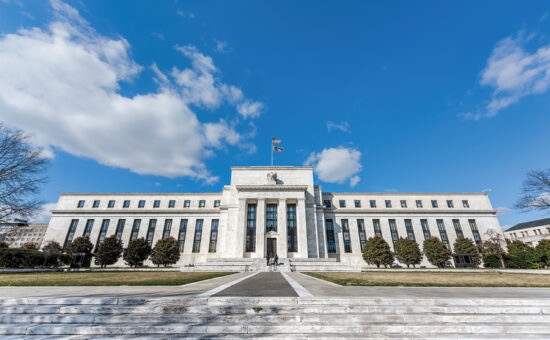
On January 17, 2023, the Board of Governors of the Federal Reserve System (“Federal Reserve”) launched its pilot climate scenario analysis exercise (“CSA”) by publishing instructions for the six US banking organizations that will participate.

As part of the CSA, participating organizations will submit data templates, supporting documentation, and responses to qualitative questions to the

The European Commission is expected to present a Proposal for a Directive on Green Claims  (“Proposed Green Claims Directive” or “the Proposal”) within the next few months.  Together with the Proposal for a Directive empowering consumers for the green transition through better protection against unfair practices and better information (“Consumer Empowerment Directive Proposal”), the Proposed Green Claims Directive would contribute to the EU’s green transition towards a circular, climate-neutral and clean economy by creating a common methodology for the substantiation of green claims that concern the environmental footprint of products, services and companies.  It would aim to reduce greenwashing and enable consumers to take informed purchasing decisions based on reliable information about the sustainability of products and traders.

If adopted, it is likely to significantly limit the environmental claims that businesses can make in the EU/EEA.  Businesses may want to consider approaching the Commission to try to influence the final legislative proposal that it is expected to present by March 2023.  Once the Commission presents its legislative proposal, businesses should consider proposing amendments to the European Parliament and Council. 

By Adam R. Young, Daniel R. Birnbaum, Mark A. Lies, and James L. Curtis

Seyfarth Synopsis: Recent involuntary manslaughter charges against actor Alec Baldwin serve as a reminder of the state criminal manslaughter liability that may result from industrial accidents. Company management and employees involved in an accident face potential criminal prosecution

In an opinion on rehearing filed January 18, 2023, the Third District Court of Appeal reissued its previous published opinion in the Save Our Capitol! case (my January 2, 2023 post on which can be found here) with the addition of a few pages of discussion addressing “Relief” inserted at the end of the majority opinion just before its “Disposition.” 

On December 13, 2022, the US Department of Energy (DOE) published a Notice of Intent (NOI) to issue a Funding Opportunity Announcement (FOA) titled, BIL-Carbon Utilization Procurement Grants Under Bipartisan Infrastructure Law Section 40302.

The Carbon Utilization Procurement Grant program provides incentives for the use of products developed from the conversion of carbon oxides emitted from human activity. Carbon capture, storage, and reuse opportunities have traditionally been designed to address a narrow scope of issues and be available exclusively to targeted industries and subsectors. The broad eligibility outlined in this NOI suggests a vast applicability to all industry sectors and segments of the supply chain.